Former Channel 4 Boss Says He ‘Wouldn’t Have Commissioned’ Married at First Sight UK
Why the Former Channel 4 Boss Wouldn’t Have Commissioned Married at First Sight UK
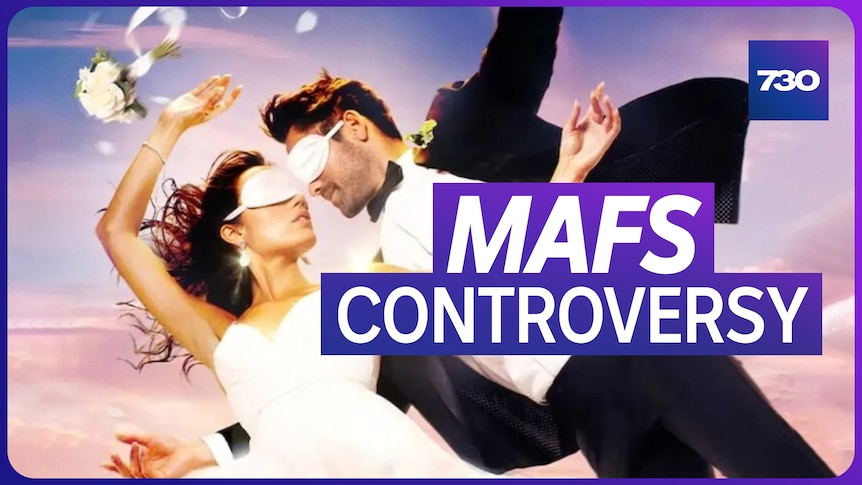
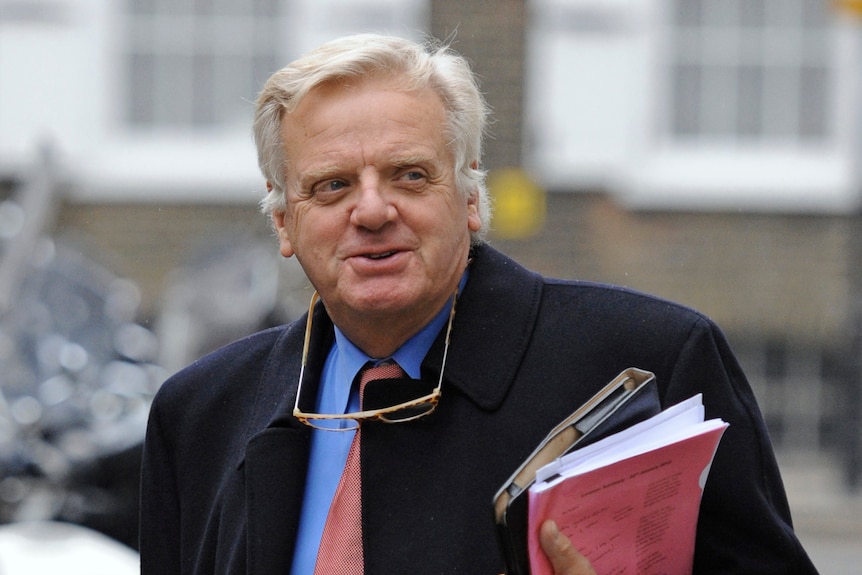
The reality television series Married at First Sight UK (MAFS UK) has recently come under intense scrutiny following serious allegations made by two female participants who accused their on-screen husbands of rape. These claims have sparked a major controversy, prompting Channel 4 to pause the show and commission an external review into contributor welfare. Amid this turmoil, Lord Michael Grade, who once led Channel 4 and served as chairman of the UK communications regulator Ofcom, has publicly stated that he “wouldn’t have commissioned” the program if he were still in charge.
Lord Grade’s perspective is rooted in his extensive experience in broadcasting. He argues that shows like Married at First Sight UK have become increasingly exploitative, prioritizing entertainment and ratings over the wellbeing of participants. According to him, the safeguards required before, during, and after production are extensive but still insufficient to mitigate the risks posed by such reality formats.
He remarked, “When you have to put in so many safeguards before the show, during the show, in post-production and through post-transmission care … in the name of what? In the name of entertainment?” This rhetorical question highlights his concern that the pursuit of viewership and clicks is driving producers to push boundaries that endanger contestants.
The Growing Risks of Reality TV and Contestant Welfare
Lord Grade’s criticism reflects a broader debate about the ethics of reality television. The pressure to attract larger audiences has led to increasingly sensational content, often at the expense of participant safety. The allegations aired on the BBC’s investigative program Panorama have shocked many, including Lord Grade, who fears that more participants might come forward with similar complaints.
He emphasized that such shows can create “a very dangerous environment for women,” a sentiment echoed by former Married at First Sight Australia contestant Tahnee Cook, who also described the environment as “dangerous.” These concerns have prompted public service broadcasters like the BBC, Channel 3, 4, 5, and Sky to reconsider the risks associated with certain reality formats.
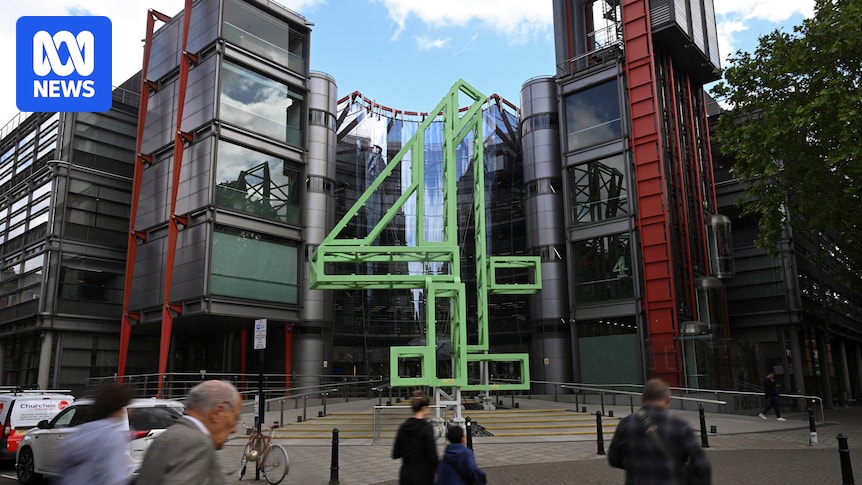
In response to the allegations, Channel 4 has removed all episodes of MAFS UK from its online platforms and initiated a two-stage external review. The first part, led by British law firm Clyde and Co, focuses on the welfare protocols in place when the claims were raised and how Channel 4 and the production company CPL Productions handled these claims. The second part, conducted by former BBC One controller Lorraine Heggessey, will assess whether current welfare measures require strengthening.
What’s Next for Married at First Sight UK?
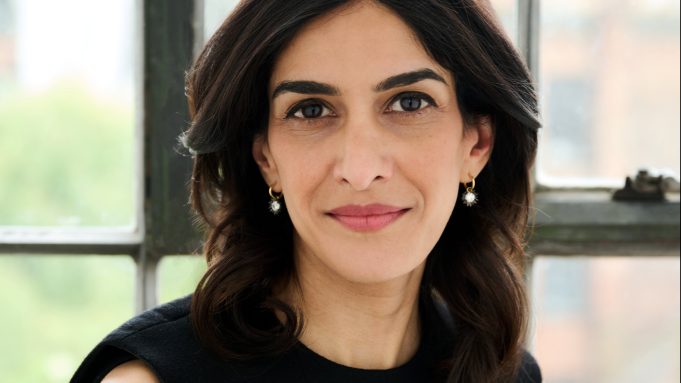
As the review unfolds, the future of Married at First Sight UK remains uncertain. Channel 4 has stated that no decisions regarding the show’s continuation will be made until the review’s findings are published. Newly appointed Channel 4 CEO Priya Dogra has emphasized the broadcaster’s commitment to contributor welfare and transparency throughout this process.
Lord Grade understands the commercial appeal of MAFS UK but questions whether the potential risks justify keeping the show on air. He candidly shared, “I’ve been in broadcasting all my life… if I was still doing that, I wouldn’t touch these shows with a barge pole.”
This stance underscores the growing tension between entertainment value and ethical responsibility in reality television production. As audiences become more aware of the potential harms behind the scenes, broadcasters face increasing pressure to prioritize participant safety over sensational content.
Conclusion
The controversy surrounding Married at First Sight UK has ignited a vital conversation about the responsibilities of broadcasters and producers in reality television. Lord Michael Grade’s candid admission that he “wouldn’t have commissioned” the show highlights the serious concerns about contestant welfare and the exploitative nature of some reality formats. As Channel 4 awaits the results of the external review, the future of MAFS UK hangs in the balance.
If you are interested in the evolving landscape of reality TV and the ethical challenges it presents, stay tuned for updates on this story and other media industry developments. For more insightful articles and expert analysis, subscribe to our newsletter today!