Coach Wade (Survivor 50) Criticizes the “New Era” Contestants: Is Survivor’s Format Too Lenient?
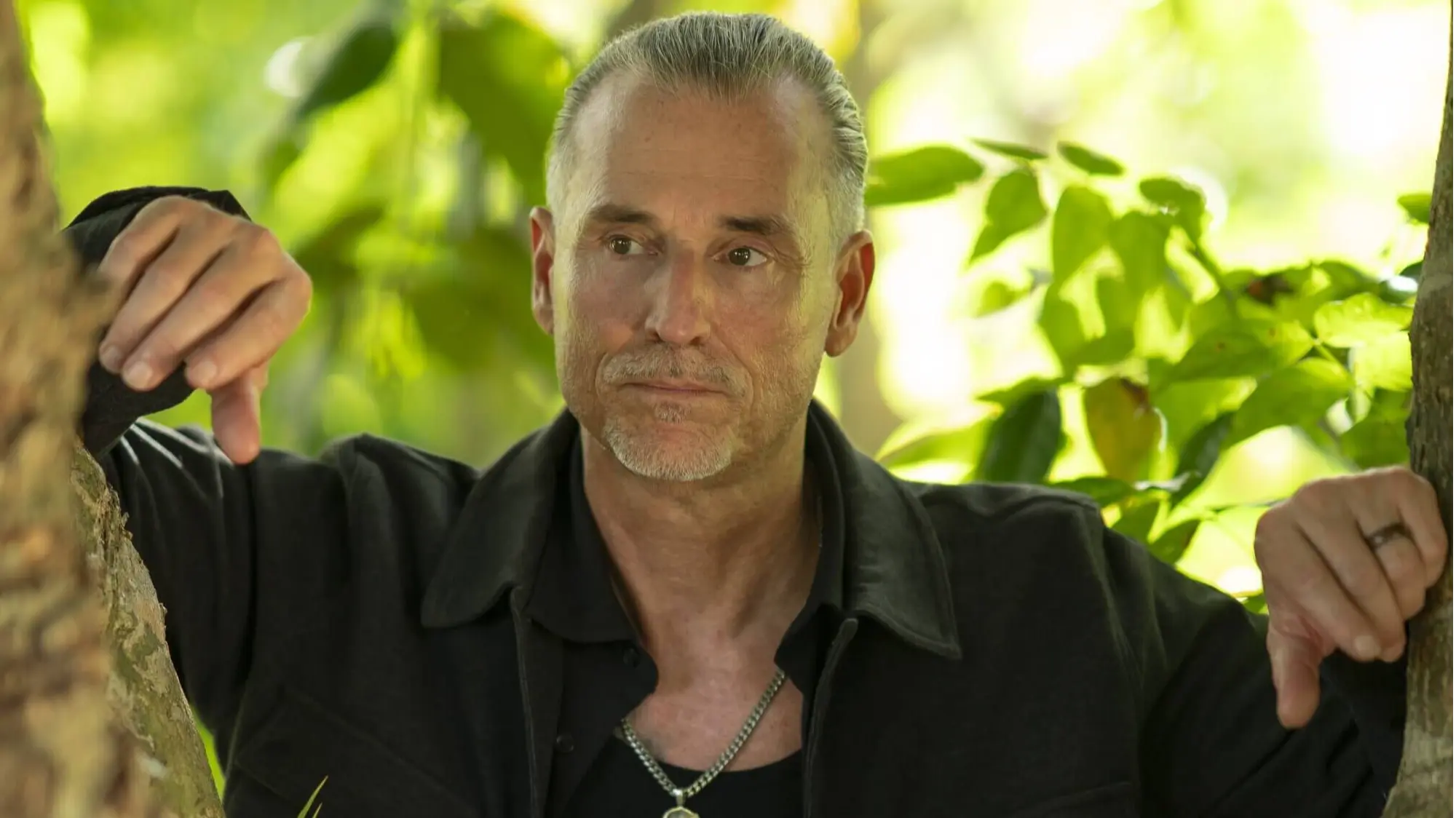
Coach Wade, a memorable contestant from Survivor 50, recently ignited a heated debate among fans and players alike by openly criticizing the “new era” contestants. His central argument? The current Survivor format, which spans just 26 days, is too short to truly test the mettle of players and crown a worthy champion. This bold statement has sparked discussions about whether the game has become too lenient and if the shortened timeline undermines the integrity and challenge that Survivor was originally known for.
Why Coach Wade Believes 26 Days Is Not Enough to Create a True Champion

Survivor has undergone numerous changes since its debut in 2000, adapting its format to maintain viewer interest and accommodate production constraints. Traditionally, the game lasted 39 days, a grueling period that tested contestants’ physical endurance, mental toughness, and social strategy. However, recent seasons, including Survivor 50, have shortened the game to 26 days.
Coach Wade argues that this reduction significantly impacts the game’s difficulty and the quality of gameplay. According to him, 26 days simply isn’t enough time for players to fully develop strategic relationships, adapt to evolving social dynamics, or demonstrate resilience under prolonged pressure. He believes that the “new era” contestants benefit from a less demanding environment, which may explain why some fans feel the competition lacks the intensity and unpredictability of earlier seasons.
Moreover, Wade’s critique touches on the psychological and physical aspects of the game. The original 39-day format pushed contestants to their limits, often leading to dramatic shifts in alliances and gameplay. The shorter timeline, he claims, reduces these opportunities, making it easier for players to navigate the game without facing the same level of hardship or exhaustion.
The Impact of Format Changes on Survivor’s Competitive Integrity

The shift to a 26-day format was partly driven by logistical and health considerations, especially in the wake of global events like the COVID-19 pandemic. While these changes helped ensure the show’s continuation, they also altered the fundamental nature of the competition.
Critics of the shorter format argue that it favors contestants who excel in quick social maneuvering rather than those who can endure long-term adversity. This shift may lead to a different style of gameplay, where rapid alliance-building and short-term strategies dominate over the slow-burning, complex tactics that characterized earlier seasons.
On the other hand, proponents of the new format suggest that the condensed timeline makes the game more fast-paced and engaging for modern audiences. They argue that Survivor must evolve to stay relevant and that the shorter season heightens suspense and drama by accelerating the pace of eliminations.
Despite these differing viewpoints, Coach Wade’s comments highlight a broader conversation about the balance between entertainment value and competitive authenticity. His perspective invites fans and producers alike to reconsider what qualities define a Survivor champion and how the game’s structure influences those qualities.
How Fans and Contestants Are Reacting to the Debate
The Survivor community has been divided in response to Coach Wade’s remarks. Some longtime fans resonate with his nostalgia for the original format, expressing concern that the game’s essence is being diluted. They worry that the shorter season prioritizes spectacle over substance, potentially diminishing the show’s legacy.
Conversely, newer fans and some recent contestants defend the current format, emphasizing that every era of Survivor has its unique challenges. They point out that the game’s social complexity remains intact and that adapting to a shorter timeline is itself a test of skill.
Contestants from the “new era” have also weighed in, with some acknowledging the differences but rejecting the notion that their gameplay is less valid. They argue that Survivor is an evolving game and that success requires flexibility and innovation, regardless of the number of days.
What This Means for the Future of Survivor

Coach Wade’s critique serves as a catalyst for reflection on Survivor’s future direction. The producers face the challenge of balancing tradition with innovation, ensuring the game remains compelling without sacrificing its core challenges.
Potential adjustments could include experimenting with season length, introducing new twists to increase difficulty, or enhancing the psychological and physical demands on contestants. Ultimately, the goal is to preserve Survivor’s reputation as a true test of endurance, strategy, and social savvy.
For fans and aspiring players, this debate underscores the importance of understanding how format changes influence gameplay and what it takes to become a Survivor champion in any era.
Conclusion

Coach Wade’s outspoken criticism of the “new era” contestants and the 26-day format has sparked an important conversation about Survivor’s evolving identity. Whether you agree with his perspective or embrace the changes, it’s clear that the game continues to challenge players in new and exciting ways. If you’re passionate about Survivor and want to stay updated on the latest debates and strategies, be sure to follow our blog for in-depth analysis and exclusive insights. Join the conversation and share your thoughts on what makes a true Survivor champion!